
- 14 Views
- 2 Min Read
- (0) Comment
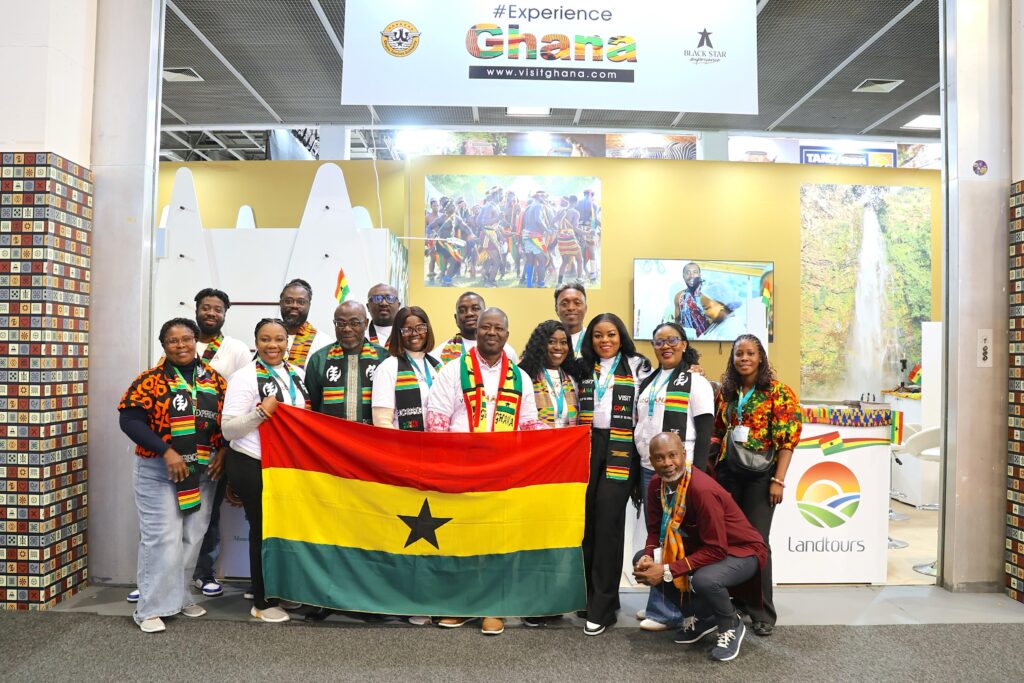
Ghana’s tourism sector earned billions and welcomed record visitors — and now, with visa-free entry for Africans and a digital e-visa for the world, 2026 could be its strongest year yet.
The foundation is already impressive. Ghana’s tourism sector earned 4.82 billion US dollars in 2024, a 27 percent jump on the previous year, and now contributes around 5.7 percent of GDP while supporting more than 735,000 jobs. The country’s first-ever Tourism Satellite Account, published by the Ghana Statistical Service in 2025, captured over 900,000 inbound visitors and total tourism spending of 15.42 billion cedis — hard, internationally comparable data for the first time in the sector’s history.
The numbers reveal quality as well as volume. Overnight visitors, who make up 98.6 percent of all arrivals, spend most on accommodation, food and cultural experiences, and travellers from Europe and North America stay the longest. These are not transit tourists passing through — they are explorers who come to Ghana and choose to linger.
Now the sector has a powerful new tailwind. From Africa Day, 25 May 2026, Ghana removed visa fees for all African passport holders and launched a new global digital e-visa platform. Tourism operators expect the change to lift arrivals for leisure, heritage travel, business and conferences — particularly from Nigeria, Côte d’Ivoire, Senegal, Kenya and South Africa — while making Ghana an easier choice for diaspora visitors worldwide.
Underpinning it all is Beyond the Return, the campaign running through 2030 that keeps Ghana positioned as the spiritual and cultural anchor for people of African descent everywhere. Airlines have responded to the demand with added frequencies from North America, Europe and across the continent.
Infrastructure is keeping pace. The Ghana Tourism Investment Platform and Marketplace launched in early 2026 to coordinate digital booking and investment; restoration work continues on the UNESCO-listed forts and castles; and the number of licensed accommodation establishments has grown from 2,723 in 2019 to over 4,600, from budget guesthouses to luxury beachfront cabins. The icons still draw the crowds — Cape Coast and Elmina castles, the Kwame Nkrumah Memorial Park, Kakum’s canopy walk, Independence Square — all crowned by December’s festival season.
The foundations are built, the barriers are falling, and the momentum is unmistakable. If there is one African tourism story to watch in 2026, it is Ghana. Akwaaba — welcome home.