
- 13 Views
- 2 Min Read
- (0) Comment
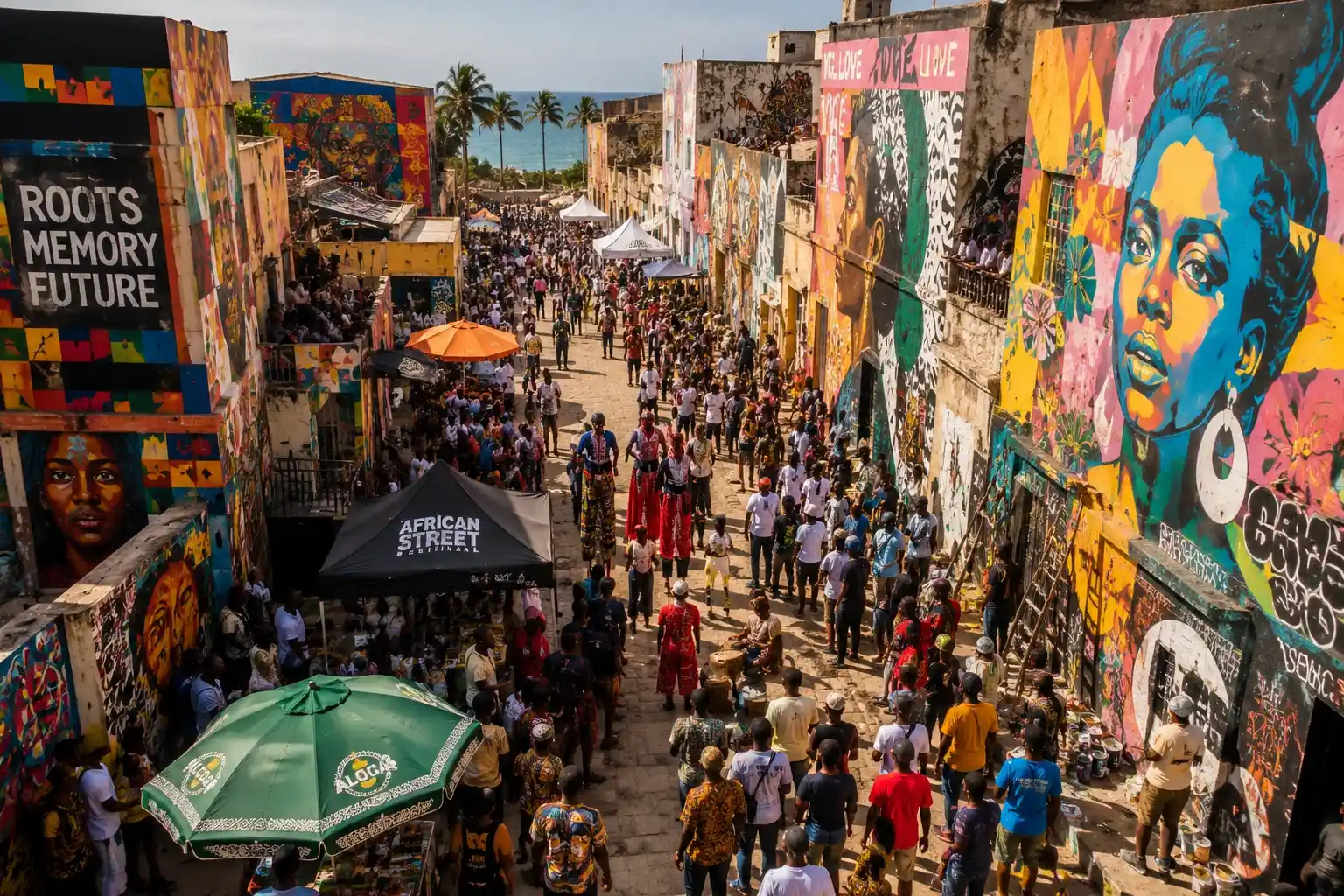
Everyone talks about Detty December — but Ghana’s richest cultural stretch runs from August to November. It opens with Chale Wote, the street-art takeover of Jamestown, and rolls on through Homowo, Fetu Afahye, Odwira and Hogbetsotso. If you want the real Ghana, this is the season.
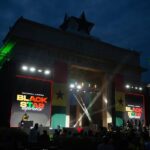
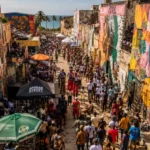
Every August, the old fishing quarter of Jamestown becomes something with no real equivalent anywhere in Africa. Chale Wote — Ga for “friend, let’s go,” and also the local name for the battered rubber flip-flops every Ghanaian owns — turns colonial streets, weathered forts and working fishing beaches into a week-long open-air gallery of murals, graffiti, performance, film, fashion and spoken word. Founded in 2011 by the ACCRA[dot]ALT arts collective, it has grown into one of the most internationally recognised art events in West Africa, drawing thousands of artists and visitors from across the globe.
It is also one of the most photographed weeks in the country: bright murals against the Atlantic, hand-painted wooden boats, the James Fort lighthouse, and streets that have not been smoothed and polished for tourists. It is grassroots and it is free to attend. This year’s edition is expected in Jamestown and Osu in August — recent listings point to the middle of the month — though the organisers set the final dates, so confirm before you plan around it. Wear comfortable shoes, carry water and small cash, and let Saturday be your big day.
Then the traditional calendar takes over. August through October is Ghana’s peak festival season, and each celebration is a living history lesson. Homowo, the Ga people’s harvest festival across Greater Accra, means “hooting at hunger” — a defiant remembrance of surviving famine, marked by the sprinkling of kpokpoi, drumming and family reunions.
In the Central Region, Fetu Afahye brings Cape Coast alive on the first Saturday of September with purification rites and a grand durbar of chiefs in full regalia. Up in the Eastern Region, the Akuapem towns of Akropong and Aburi mark Odwira around September and October — a festival of purification, renewal and the new yam. In the north, the Dagomba celebrate Damba with horse parades and royal pageantry in Tamale, while in Kumasi the Asantehene holds court at Manhyia Palace every 42 days for Akwasidae, one of Africa’s great living royal traditions.
The season closes in the Volta Region, where the Anlo Ewe gather in Anloga on the first Saturday of November for Hogbetsotso — the “festival of exodus,” commemorating a daring midnight escape from Notsie, complete with Agbadza drumming and a durbar that fills the town with colour.
A word on etiquette: most traditional festivals are free public celebrations, but some rites are sacred. Go with a local guide, dress respectfully, and ask before you photograph. December may get the headlines, but the soul of Ghana’s calendar beats loudest between August and November. Come for the art, stay for the drums. Akwaaba.