
- 13 Views
- 2 Min Read
- (0) Comment

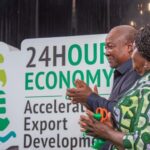
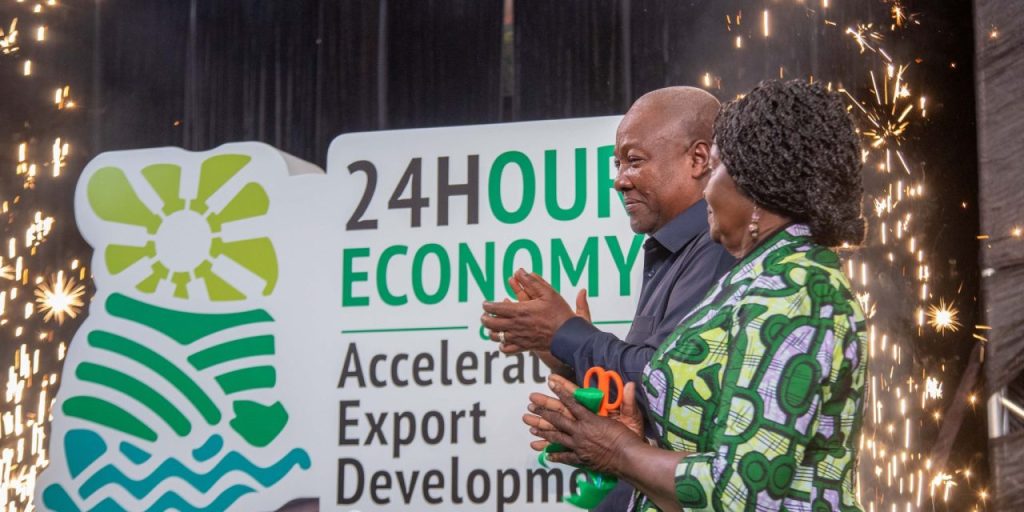
Ghana’s flagship 24-Hour Economy programme has signed roughly $5.5 billion in investment deals across energy, agro-processing and industry — with more than 160,000 jobs on the way. For a diaspora watching from abroad, the build-out is finally becoming visible.
In mid-July 2026, the 24-Hour Economy and Accelerated Export Development Authority announced project agreements worth about 5.5 billion US dollars, tied to four major projects and more than 160,000 direct jobs. It is the clearest sign yet that the Mahama administration’s signature programme is moving from slogan to steel and soil.
The headline projects are substantial. A 1.45 billion dollar solar-and-battery development at Buipe is targeting 1,500 megawatts of power — at a competitive six to nine US cents per kilowatt-hour — by late 2027, creating some 13,000 jobs. A 250 million dollar oil palm complex at Kambonwule is designed to produce 228,000 tonnes a year and employ up to 120,000 people. And a bioenergy programme at Buipe and Damanko aims to create 30,000 jobs while saving the country roughly 450 million dollars a year in foreign exchange.
There is heavy industry in the mix too. In early July, the government signed a 700 million dollar agreement with Petrochemical Holding GmbH, through the joint venture GreenRock Petrochemical Ghana, to manufacture sodium cyanide and caustic soda at home — inputs the mining sector currently imports — alongside a gold-tailings recovery and environmental remediation platform. The plants are intended to serve the wider West African market, not just Ghana.
Crucially, this is not all on paper. The downstream petroleum component launched in May 2026: twelve oil marketing companies now run round-the-clock service across 268 filling stations, and 33 manufacturers have started multi-shift operations. The idea is simple — turn hard-won macroeconomic stability into round-the-clock production across manufacturing, agro-processing, logistics and energy.
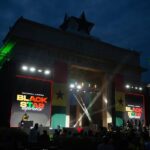
It sits within a broader pipeline: agro-industrial parks in the Volta Economic Corridor, a pharmaceutical innovation park at Legon, a machinery and technology park in Kumasi, and an air-cargo and logistics hub in Tamale — all underpinned by Ghana’s role hosting the AfCFTA Secretariat. At the 7th Ghana Investment and Trade Week in Accra this July, delegates from more than 30 countries came to look. The incentives are real, too: reduced corporate tax for manufacturing and agribusiness, Free Zone tax holidays, and 100 percent foreign ownership.
A note of realism, because trust matters: building factories takes time, and financing in Ghana is still costly — this is a medium-term build, not an overnight one, and nothing here is investment advice. But the direction is set. The deals are signed, the first shifts are running, and the jobs are coming. If you have been waiting to invest or build back home, Ghana is open for business. Akwaaba.