
- 15 Views
- 2 Min Read
- (0) Comment
Ghana’s economy has turned a corner. Inflation is near its lowest in years, the cedi has clawed back ground on the back of record gold exports, and the government has cleared billions in legacy debt. Here’s where things stand in mid-2026.
It is worth pausing on how far Ghana has come. Inflation, which topped 50 percent at the height of the 2022 crisis, fell to roughly 5 to 6 percent by late 2025 and eased further into early 2026 — its lowest reading in years. With price pressures cooling, the Bank of Ghana has been able to cut its policy rate sharply from a peak of around 30 percent toward the mid-teens, a clear signal of restored confidence.
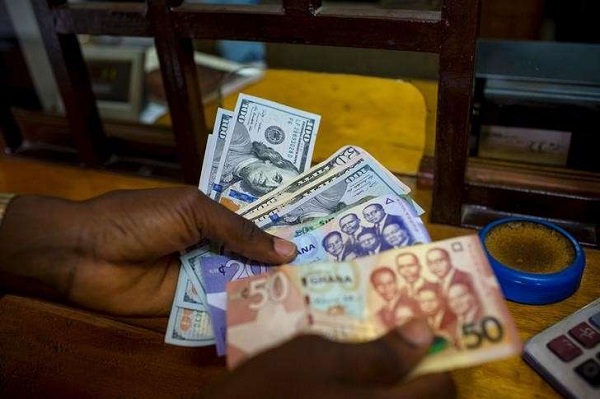
At the heart of the recovery is gold. As Africa’s leading gold producer, Ghana has ridden strong bullion and cocoa exports to a current-account surplus, and the cedi responded — appreciating by about 21 percent against the US dollar through 2025 after years of painful decline. Foreign-exchange reserves now cover more than five months of imports, giving the country a buffer it lacked during the crisis. The gold that steadied the cedi is Ghana’s own.
Discipline has matched the tailwinds. The government delivered a primary budget surplus that beat its IMF target, and in January 2026 it cleared roughly 1.47 billion US dollars in energy-sector debts. Ghana’s comprehensive debt restructuring — once the defining feature of the crisis — is now all but complete, with only a small share of external commercial debt still under negotiation.
Growth has followed. The economy expanded by around 5.8 percent in 2025, and both the IMF and the African Development Bank project solid, services-led growth of roughly 4.8 to 5.0 percent for 2026. This is no longer an economy in survival mode; it is one rebuilding momentum.
Honesty matters, so a note of balance: the recovery is real but not risk-free. Global tensions and swings in gold, cocoa and oil prices remain wildcards, and the gains still need to reach ordinary households through jobs and rising incomes. The IMF programme’s discipline is doing its work, but the job is not finished.
For members of the diaspora weighing a return, a business, or an investment back home, the macro picture is the most stable it has been in years. Stability is a foundation — and Ghana is finally building on solid ground. Akwaaba.