


- 3 Views
- 2 Min Read
- (0) Comment

From near collapse to a 40% rebound: how the Gold-for-Reserves strategy rewrote Ghana’s monetary story.
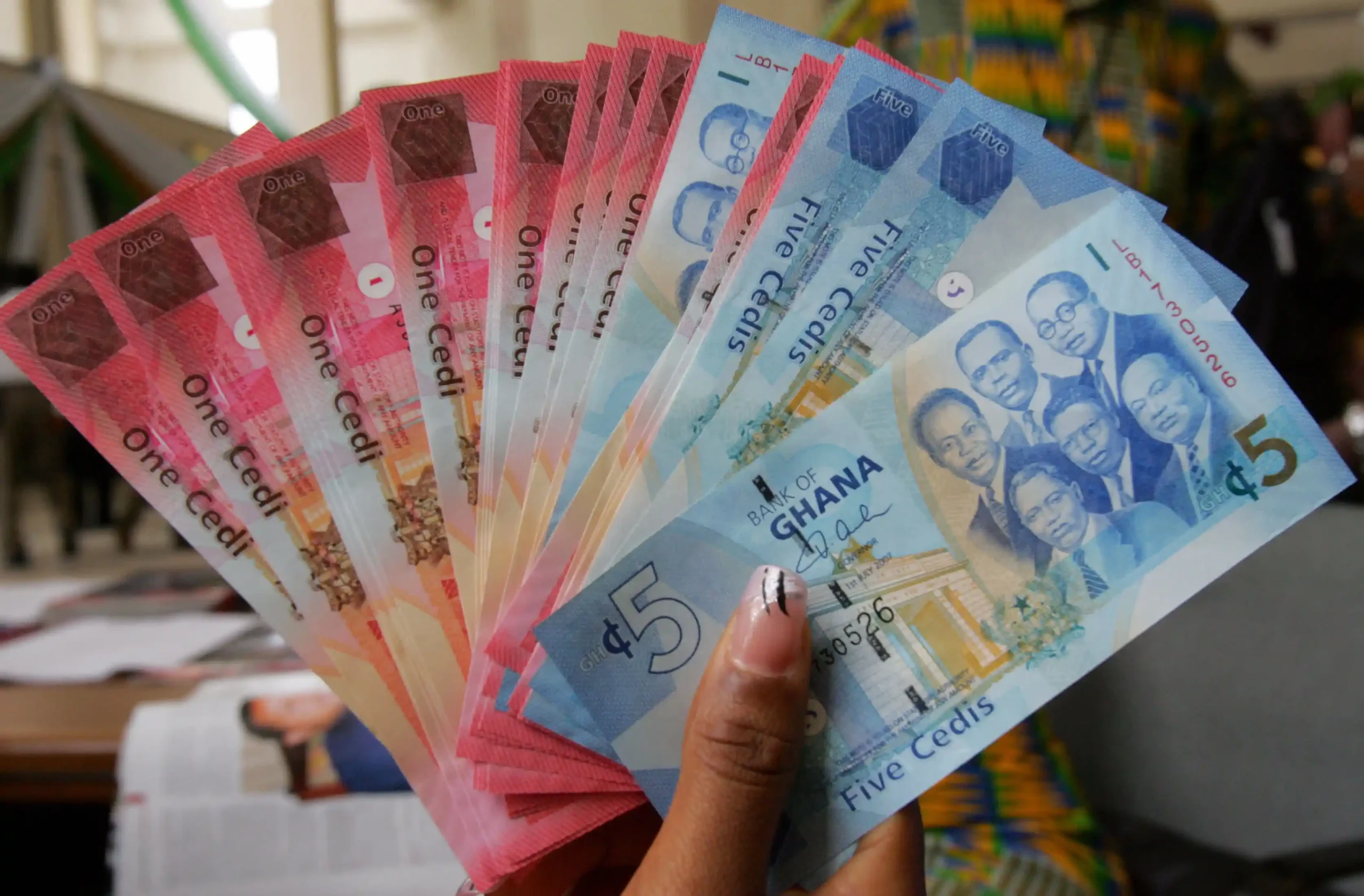
Two years ago, the Ghanaian cedi was in freefall. At its worst, Ghanaians exchanged upward of 14 cedis to a single US dollar. Imports became eye-wateringly expensive. Businesses that relied on foreign currency for raw materials faced existential pressure. International investors exited. The cedi was the currency of a country in crisis.
Today, that picture has transformed. The cedi has rallied between 35% and 40% from its 2024 lows, inflation has fallen from above 50% to 6.3% — inside the Bank of Ghana’s revised target band — and national reserves stand at a record $12 billion. The instrument of this turnaround? Ghana’s own gold.
The Ghana Gold Board — GoldBod — was launched in March 2025 to bring discipline and transparency to the country’s gold export ecosystem. For years, small-scale gold mining in Ghana, known locally as galamsey, produced enormous quantities of the precious metal that largely bypassed formal export channels, meaning the foreign exchange earned from gold sales never reliably found its way into the country’s reserves. GoldBod changed that. By centralising purchasing, processing, and export, and returning the foreign exchange proceeds to the Bank of Ghana, the initiative effectively created a revolving engine of reserve accumulation.
Since its launch, GoldBod has generated over $10 billion in foreign exchange inflows, delivered more than 100 tonnes of gold from the small-scale sector into formal channels, and — according to its CEO Sammy Gyamfi — is on track to post a surplus of between GH¢700 million and GH¢800 million for 2025. Total revenue exceeded GH¢960 million. The Bank of Ghana has simultaneously developed a structured foreign exchange operations framework, in collaboration with the IMF, to smooth currency volatility and build reserves systematically.
For those considering relocating to Ghana or investing in the country, this monetary stability is foundational. A predictable exchange rate reduces the risk calculus on every transaction denominated in cedis — from property purchases to business payroll to import costs. The Bank of Ghana has been on an aggressive easing cycle: the policy rate fell from its peak of 30% in late 2023 all the way down to 15.5% as of January 28, 2026 — its lowest level since February 2022. That trajectory points toward steadily more accessible credit for businesses and mortgage borrowers.
Ghana’s gold has always been part of its identity — from the Akan goldsmithing traditions that dazzled European traders in the 1600s to the modern mining operations that make Ghana one of Africa’s largest gold producers. What is new is that the country is now using its gold strategically, not just extractively. The cedi’s comeback is not just a monetary story. It is a story about Ghana finally owning its own narrative.