

- 4 Views
- 2 Min Read
- (0) Comment
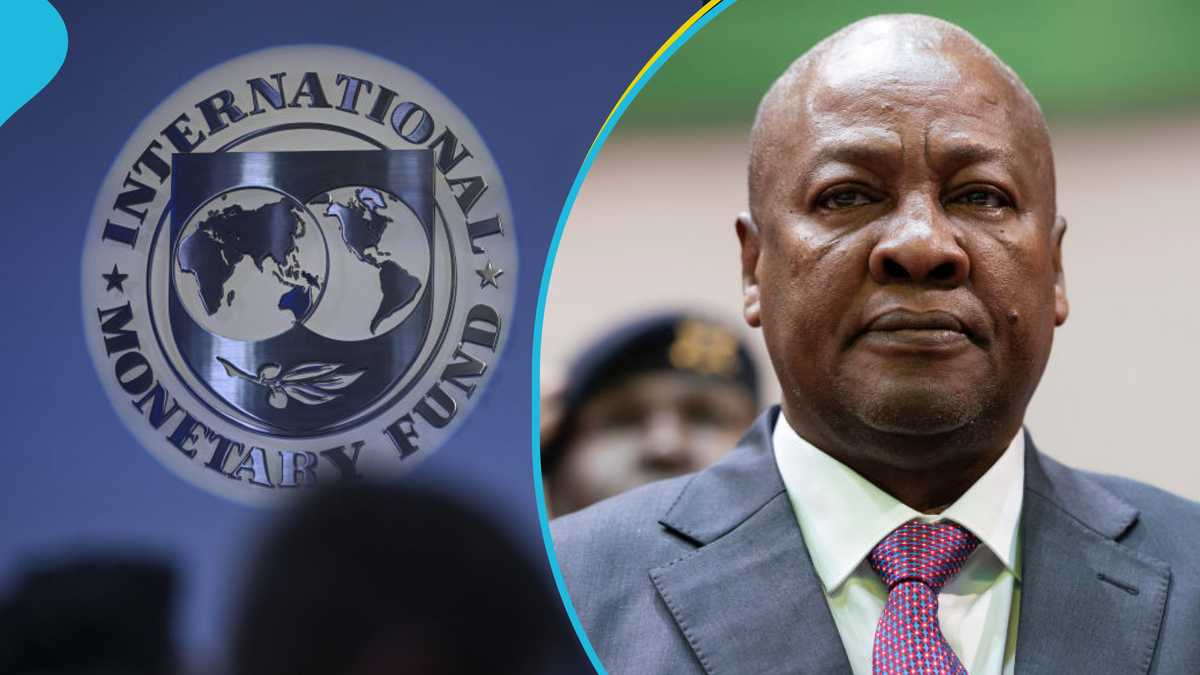
After a cedi rally of up to 40%, inflation in the single digits, and $12 billion in reserves, Ghana is exiting its IMF program on its own terms.
For a country that just two years ago was staring down 50% inflation, a crumbling cedi, and zero access to international capital markets, Ghana’s turnaround reads like something scripted. But these numbers are real — and they matter deeply for anyone watching West Africa as an investment destination.
In January 2026, President John Dramani Mahama stood before the Annual New Year School in Accra and made a statement few African leaders have ever been bold enough to make: ‘Ghana will never again return to the IMF for financial support.’ He wasn’t just making a political pledge. He was describing a country that had already turned the corner.
The International Monetary Fund’s own fifth review of Ghana’s $3 billion Extended Credit Facility program tells the story in hard data. Inflation dropped to 6.3% by November 2025 — the first single-digit reading since 2021. The cedi, which had lost catastrophic value during the 2023 crisis, rallied between 35% and 40% against the US dollar from its 2024 lows. National reserves surged to a record $12 billion, equivalent to roughly four-and-a-half months of import cover, up from a terrifying two weeks during the worst of the crisis. All quantitative performance criteria for the IMF review were met.
Driving much of this is the Ghana Gold Board — GoldBod — which has centralised the country’s gold purchasing and export operations since March 2025. By redirecting foreign exchange back into the central bank, GoldBod generated over $10 billion in forex inflows, delivering more than 100 tonnes of gold from Ghana’s small-scale mining sector. The Central Bank Governor, Dr. Johnson Pandit Asiama, confirmed the initiative has been one of the single biggest contributors to reserve accumulation.
For investors, the headline number is GDP growth. The IMF projects Ghana’s economy will expand by 4.8% in 2026 — outpacing the Sub-Saharan Africa average of 4.6% — while the 2026 budget targets a 1.5% primary surplus on a commitment basis. The government’s theme for the year: ‘Resetting for Growth, Jobs, and Economic Transformation.’ That is not idle sloganeering. A new independent Value for Money Office is being established to enforce public spending discipline, signalling that fiscal reform is being institutionalised, not just promised.
For diaspora investors, entrepreneurs, and multinationals evaluating Ghana as a base, the timing has rarely been better. A stabilising exchange rate, single-digit inflation, and a government that has publicly staked its credibility on never needing another bailout — these are the conditions that attract long-term capital. The IMF’s own Managing Director, Kristalina Georgieva, recently commended Ghana’s ‘strong commitment’ to meeting program targets ahead of schedule. That is not a small endorsement.
Ghana is not just recovering. It is resetting. And the world is beginning to notice.